
Sleeping but Never Resting
The Hidden Impact of Hypervigilance on Veterans and First Responders.
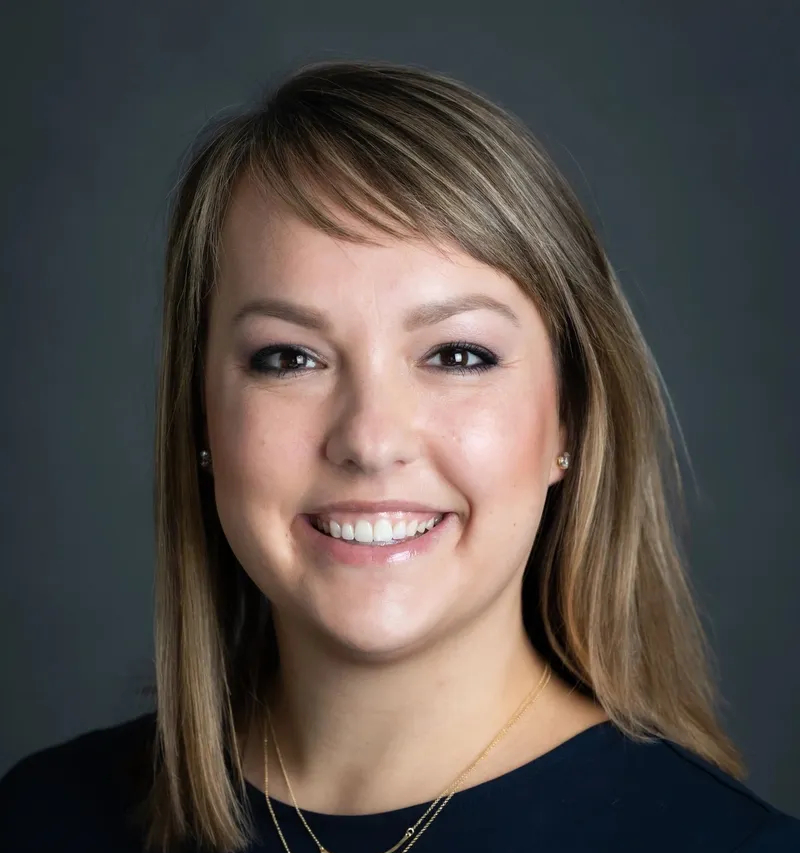
My name is Jill Pate, and I am a Nurse Practitioner and mental health business owner in Columbus, Ohio. I began my career as a Registered Nurse in a local Emergency Department, where I worked closely alongside first responders, veterans, and healthcare providers caring for patients experiencing everything from routine illness to severe trauma. I always knew I wanted a career centered around helping others and making a meaningful impact. Over time, however, I felt called to do more. That calling led me back to school to become a Family Nurse Practitioner, eventually practicing in Urology — a field that serves an incredibly vulnerable patient population.
Urology quickly became meaningful work for me because patients often trusted me with deeply personal concerns involving cancer, sexual health, urinary dysfunction, and intimacy. During this time, I began treating many young men with low testosterone. What stood out to me was that many of these patients were otherwise exceptionally healthy. As I looked more closely, I noticed a pattern: a large number were veterans or first responders.
Low testosterone is often linked to poor sleep, obesity, or sleep apnea — explanations that typically make clear medical sense. Yet many of the men I was treating did not fit that picture at all. They were physically fit, disciplined, high-performing individuals who consistently told me, “I sleep fine.” And in many ways, they truly believed that. They fell asleep quickly, stayed asleep through the night, and were not waking repeatedly or struggling with insomnia in the traditional sense. Sleep studies frequently ruled out sleep apnea or other obvious sleep disorders.
But something still wasn’t adding up.
What I began to understand is that sleep quantity and sleep quality are not the same thing. These patients were sleeping — but their brains were never fully powering down. Their nervous systems remained subtly activated, even during the night. Instead of cycling normally into the deep, restorative stages of sleep and REM recovery that allow hormonal regulation, emotional processing, and physical restoration, their brains stayed in a lighter, more vigilant state. Essentially, their bodies were resting, but their brains were still standing guard.
Many of these men had lived for years in environments that required constant alertness — military deployment, emergency response, law enforcement, or high-risk medical settings. Over time, their brains adapted to remain prepared for threat, even when no threat was present. This chronic state of hypervigilance meant they could sleep through the night and still wake feeling unrefreshed, fatigued, or hormonally depleted without ever recognizing their sleep was impaired.
At that point, I became less interested in simply replacing testosterone and more interested in understanding why otherwise healthy individuals were unable to achieve truly restorative sleep. I realized I didn’t want to treat the symptom — I wanted to understand and address the root cause. That curiosity ultimately shifted my entire perspective on health, trauma, and the powerful connection between the brain, sleep, and long-term wellbeing.
The greatest joy in my work has always been connecting with people beyond their diagnoses. I take time to understand who my patients are — their families, relationships, stressors, and personal experiences. As those conversations deepened, I began noticing striking similarities among my veteran and first responder patients: relationship strain, emotional detachment, irritability, intimacy concerns, chronic fatigue, and difficulty reconnecting with life outside of work. It became clear that testosterone deficiency was often only one piece of a much larger story.
This realization led me back to school once again to become dual-certified as both a Family Nurse Practitioner and a Psychiatric Mental Health Nurse Practitioner. I later founded Amalfi First Line, a practice dedicated to serving veterans and first responders through a more comprehensive, whole-person approach. Today, I treat not only symptoms such as anxiety, depression, PTSD, sleep disturbance, and sexual dysfunction, but also the underlying neurological and psychological patterns shaped by years of chronic stress exposure.
Through years of clinical experience, I began explaining trauma using a simple concept many patients immediately relate to. Imagine a stress scale from zero to ten. Zero represents calm, safety, and relaxation — when the parasympathetic nervous system is in control. Ten represents panic or fight-or-flight activation driven by the sympathetic nervous system. Most individuals without significant trauma live near a baseline of zero. Daily stressors may temporarily raise that level, but once the situation resolves, the brain returns to baseline.
For military personnel and first responders, however, the stressor does not end. Deployment, emergency calls, critical incidents, life-threatening environments, and repeated exposure to tragedy mean the nervous system never fully resets. Instead of returning to zero, the brain adapts. A four becomes the new baseline. Over time, that baseline may rise even higher. This adaptation — hypervigilance — is not weakness; it is survival. The brain learns to remain prepared for the next threat.
Living at a constant seven or eight out of ten changes how a person experiences the world. These individuals often appear calm and functional externally, yet internally remain on high alert. Because this shift occurs gradually, many do not recognize that their nervous system has changed. They simply believe this state is normal. This disconnect frequently leads to misunderstanding within families and relationships. Loved ones may wonder why someone seems detached, irritable, or emotionally unavailable, without realizing that relaxation itself has become neurologically difficult.
I repeatedly saw how this chronic activation affected physical health. Intimacy requires relaxation and presence — something difficult to achieve when the brain remains in fight-or-flight mode. Deep restorative sleep becomes impaired despite adequate hours in bed. Fatigue persists. Emotional connection feels distant. Many veterans and first responders report feeling most understood only among others who share similar experiences.
Another important pattern emerged: many individuals living at a heightened baseline struggle to feel. When your nervous system already operates near an eight, ordinary life experiences may not register emotionally the same way they do for someone living at zero. As a result, some individuals unknowingly seek intensity — through risk-taking, gambling, alcohol use, affairs, or impulsive behaviors — not because they are reckless or flawed, but because their brain is attempting to experience sensation beyond its adapted baseline.
Understanding this changes the narrative entirely. These behaviors are often misunderstood as character flaws when they are, in reality, neurobiological adaptations to prolonged stress exposure. Trauma is not defined solely by events that happen to someone, but by how the brain processes repeated exposure to threat. Many veterans and first responders do not identify their experiences as trauma because they chose their profession and view hardship as part of duty or service. Yet the brain responds regardless of intention.
In my practice, education becomes one of the most powerful therapeutic tools. I help patients understand why their brain works the way it does and normalize the need to feel excitement, purpose, and engagement. The goal is not to eliminate intensity — many of these traits make individuals exceptional at their careers — but to redirect the need for stimulation toward healthy and meaningful outlets.
Organizations such as Veteran Recreate Ohio exemplify this concept beautifully by providing veterans opportunities for positive thrill and connection through activities like hiking, fishing, skiing, travel, and adventure-based experiences. These experiences allow individuals to rise above their baseline in ways that promote healing rather than harm. Healthy excitement restores connection, confidence, and community.
Too often, veterans and first responders seek help only when relationships are failing, substance use has escalated, depression deepens, or life feels overwhelming. Yet understanding the brain earlier can prevent crisis altogether. Learning how trauma reshapes physiology and behavior allows individuals — and their families — to replace judgment with understanding.
My mission is simple: to help veterans, first responders, and their loved ones understand that nothing about their reactions means they are broken. Their brains adapted to extraordinary circumstances. With education, support, and the right tools, meaningful change is possible. Healing does not mean losing strength or identity — it means learning how to live fully again.
If you or someone you love relates to these experiences, know that help and education are available. Understanding is often the first step toward lasting positive change.
Jill Pate MSN, APRN, FNP-C, PMHNP-BC
Founder & Nurse Practitioner
Amalfi First Line


Comments